
Tucson is an active termite area in the United States because of its desert climate. Termites thrive here even though the city is hot and dry, and they damage homes, furniture, and fences. Knowing which types of termites are typically found in Tucson can help you spot them early and protect your home.
Here are the common species of termites found in Tucson, Arizona:
- Subterranean termites
- Drywood termites
- Dampwood termites
Now, let’s take a closer look at these types of termites and how to identify them.
Subterranean termites
Subterranean termites are the most common termites in Tucson. They live in the soil and build mud tubes to travel between the ground and wood. You may have subterranean termites if you see pencil-thin mud tunnels on walls, foundations, or wooden posts.
There are two main kinds of subterranean termites in Tucson:
Heterotermes aureus (Desert Subterranean Termite)
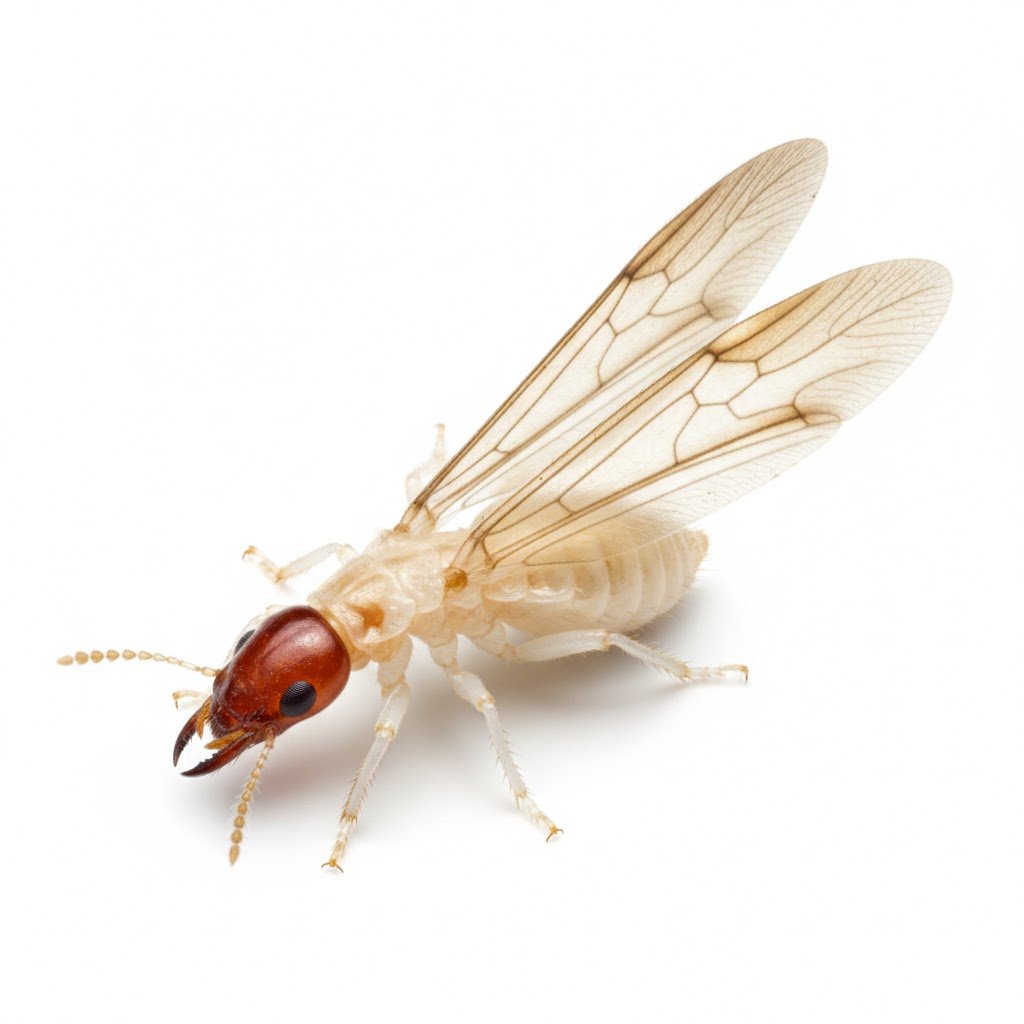
Desert subterranean termites are highly adapted to Tucson’s dry desert soil, which makes them very common in local homes. They often leave mud tubes on walls and damage wood so that it looks layered or filled with sand-like material. It is most likely the work of desert subterranean termites if the termite activity is in an area that is completely dry with no water source nearby.
| Feature | Details |
| Where they live | Dry desert soil, very common in Tucson homes |
| Appearance | Small, light brown; soldiers have rectangular heads |
| Signs | Mud tubes on walls, wood with sand-like material, layered damage |
| How to identify | Found even in dry spots with no water source nearby |
Reticulitermes tibialis (Arid-land Subterranean Termite)
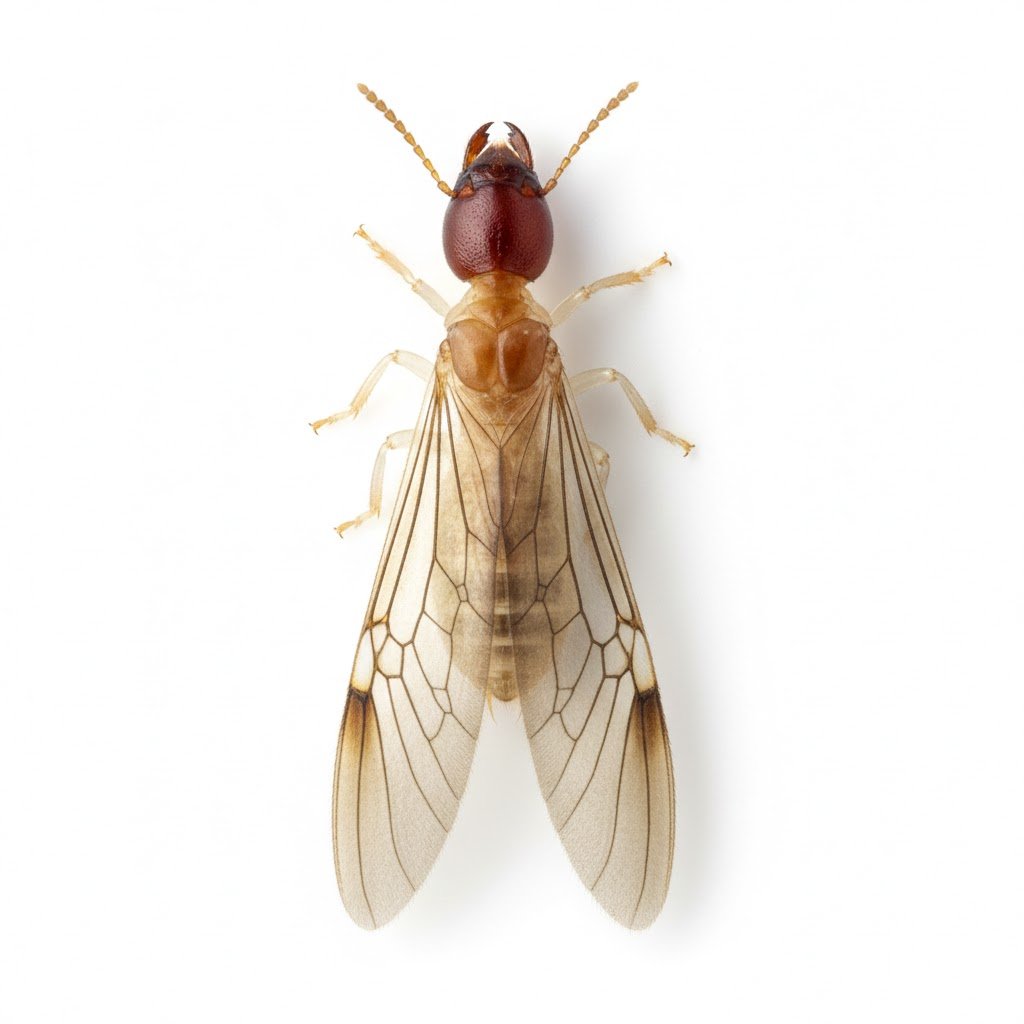
Arid-land subterranean termites are usually found in damp soil, often near irrigation systems, leaky pipes, or shaded yards where moisture is present. They are slightly larger than desert subterranean termites and have a darker color. Their infestations often appear close to water sources, such as moist foundations or garden areas. It is likely caused by this type if you notice termite damage near sprinklers, water lines, or other damp spots.
| Feature | Details |
| Where they live | Damp soil near irrigation, leaky pipes, or shaded yards |
| Appearance | Slightly larger, darker brown than desert subterranean termites |
| Signs | Infestations near water sources, moist foundations, or gardens |
| How to identify | Damage close to moisture like sprinklers or water lines |
Drywood termites
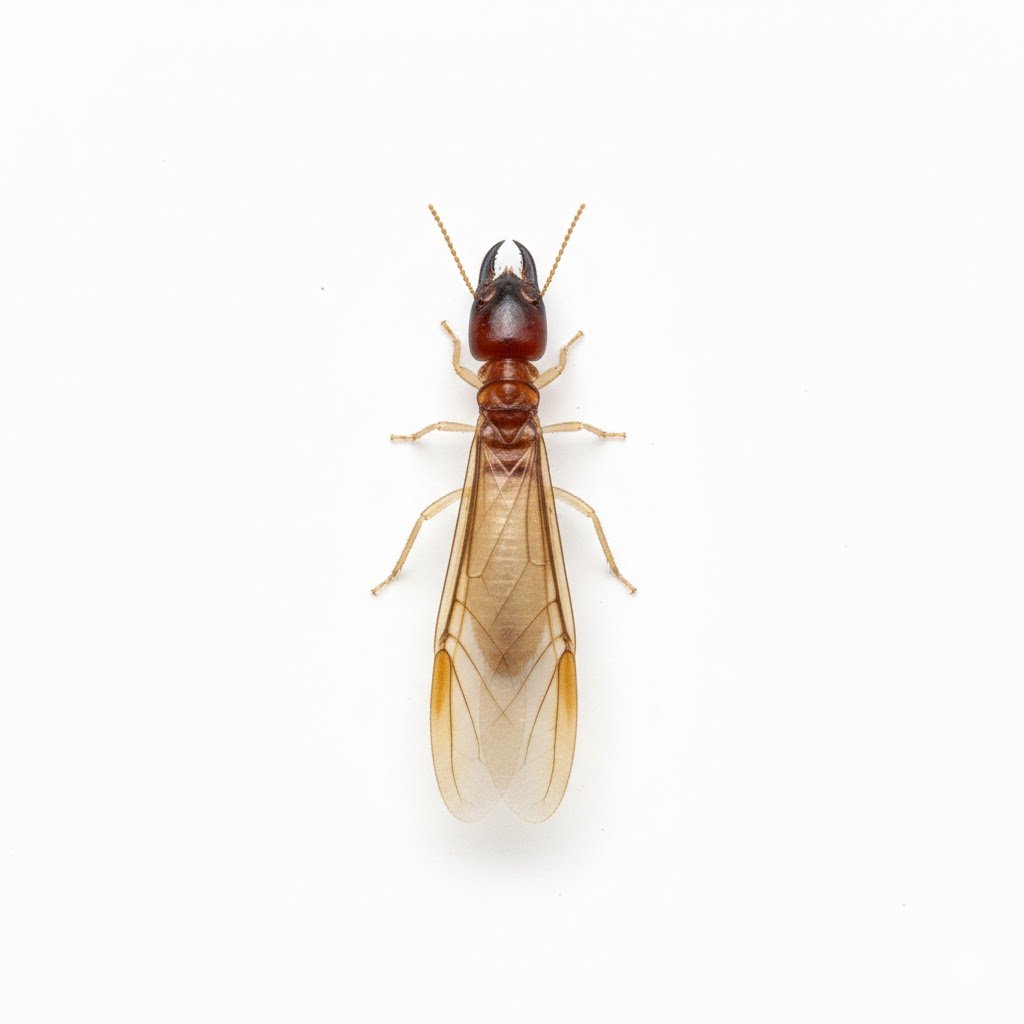
Drywood termites live directly inside dry wood such as furniture, roof beams, or window frames. They do not need soil or extra moisture to survive. They are larger than subterranean termites and often have a reddish-brown color. Signs of their infestation include small, sand-like droppings called frass near baseboards or wooden furniture, along with tiny holes in the wood. When you see piles of these dry pellets, it usually points to drywood termites.
| Feature | Details |
| Where they live | Inside dry wood such as furniture, roof beams, or window frames |
| Appearance | Larger than subterranean termites; reddish-brown |
| Signs | Tiny holes in wood, small sand-like droppings (frass) |
| How to identify | Piles of dry pellets without mud tubes |
Dampwood termites
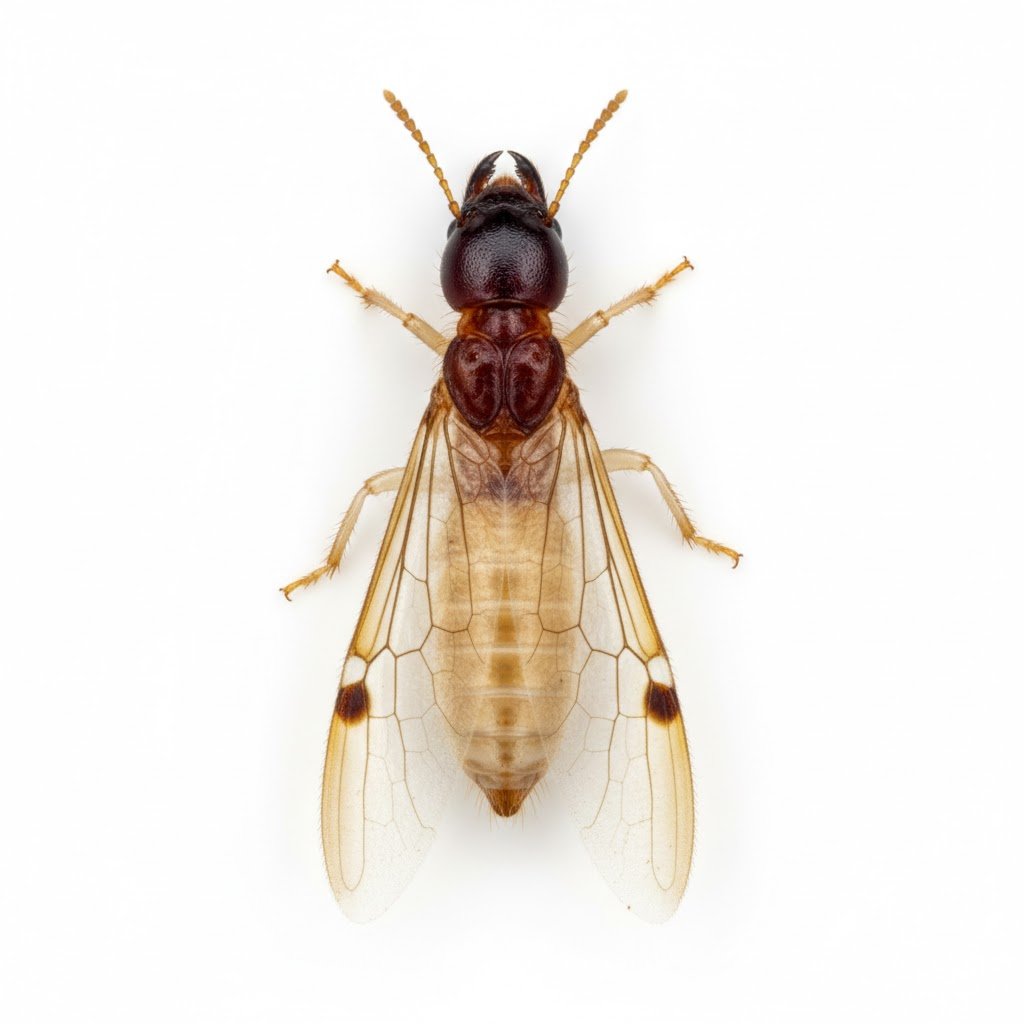
Dampwood termites are less common in Tucson but can still appear in very moist areas. They prefer rotting wood, leaky roofs, or damp logs, and are bigger than both subterranean and drywood termites, usually light brown in color. Infestations are often found in wet or decaying wood, which may sound hollow or feel soft to the touch. So, in case you see termite activity only in areas that stay damp, it is probably the work of dampwood termites.
| Feature | Details |
| Where they live | Wet or rotting wood, leaky roofs, or damp logs |
| Appearance | Bigger than both subterranean and drywood termites; usually light brown |
| Signs | Hollow or soft wood, infestations in decaying wood |
| How to identify | Activity only in areas that stay moist |
Why are termites a big problem in Tucson?
Termites in Tucson can be a threat for your house through most of the year because of the city’s hot and dry climate. They don’t need much rain to live, as they can survive without any extra moisture and many species are adapted to dry soil. They feed on wood nonstop once they are inside a home, which can cause expensive damage if ignored.
And Termites should definitely NOT be ignored because they don’t stop eating once they start. Even a small colony can cause serious structural damage in a few years. Repairing termite damage is much more costly than preventing it.
Signs you may have termites in your home
Here are some signs that can help you identify if you have a termite infestation or not.
- Mud tubes on walls or foundations
- Wood that sounds hollow when tapped
- Small piles of droppings near wood
- Flying swarmers around lights, especially in spring or summer evenings
How to protect your home from termites in Tucson
Keep your home safe by scheduling regular inspections, fixing water leaks quickly, and avoiding wood-to-soil contact around your house. Professional termite control is the most reliable way to stop infestations before they spread.
FAQs
Are termites common in Tucson homes?
Yes. Tucson is considered one of the most termite-active areas in the country.
What months are termites most active in Tucson?
Subterranean termites swarm mostly in spring and summer evenings, but they can stay active all year because of the warm weather.
Can I treat termites on my own?
Small drywood infestations may be treated with DIY products, but for subterranean termites, professional help is strongly recommended.
How often should I get a termite inspection in Tucson?
Experts suggest at least once a year because of the high termite risk in the area.