
Finding unknown bugs in your Tucson home is an invasion of your property and peace of mind. Arizona’s climate creates a unique environment for specific pests to thrive. This guide identifies the 8 most common household bugs in Tucson, details their risks, and explains the most effective methods for their treatment and removal.
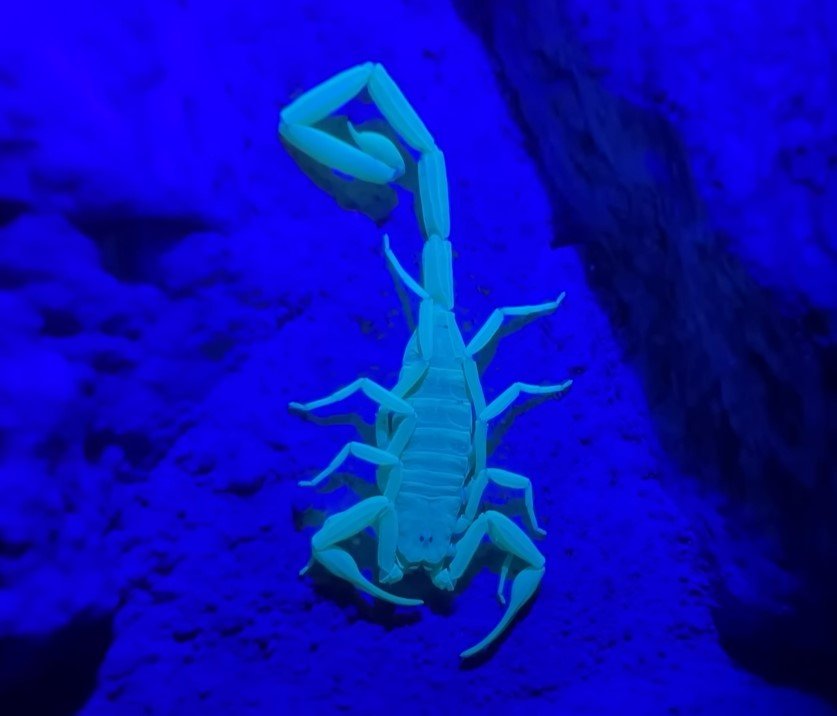
1. Arizona Bark Scorpion
An Arizona Bark Scorpion is a small, light-brown scorpion, recognized by its slender pincers and tail. It is the most venomous scorpion in North America.
- Signs & Habitat: Bark scorpions hide in cool, dark places such as inside shoes, under furniture, and within wall voids. They are nocturnal and can climb vertical surfaces. Seeing one scorpion often indicates a larger infestation is present.
- Risk Level: A sting from a bark scorpion is extremely painful and medically significant, posing a serious health risk to children, older people, and individuals with allergies.
- Treatment & Removal: Professional treatment is required for effective removal. This involves applying specialized, residual insecticides to key areas and implementing exclusion techniques to seal entry points. Learn more about our professional Scorpion Extermination Services.
2. American Cockroach
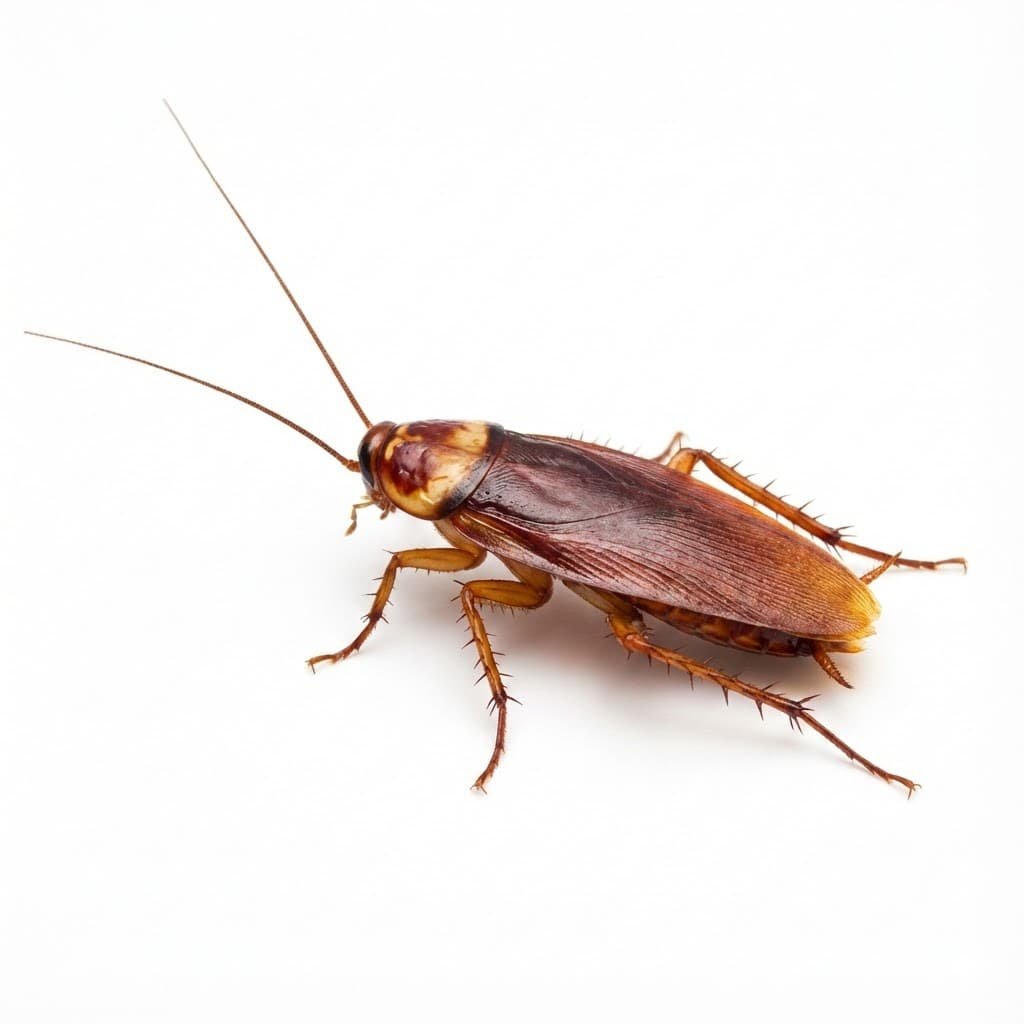
An American Cockroach is a large, reddish-brown insect, measuring up to 2 inches long, with a distinctive yellow figure-eight pattern on its head.
- Signs & Habitat: These cockroaches prefer warm, damp environments like kitchens, bathrooms, and basements. Signs of an infestation include droppings resembling coffee grounds, a musty odor, and shed skins.
- Risk Level: American Cockroaches carry bacteria and pathogens, such as Salmonella and E. coli, which can contaminate food surfaces and trigger asthma or allergies.
- Treatment & Removal: Eradication requires a multi-step approach. Professionals use a combination of baiting systems, insect growth regulators (IGRs), and targeted insecticide application to eliminate the entire population. Discover our Roach Extermination Services.
3. Black Widow Spider
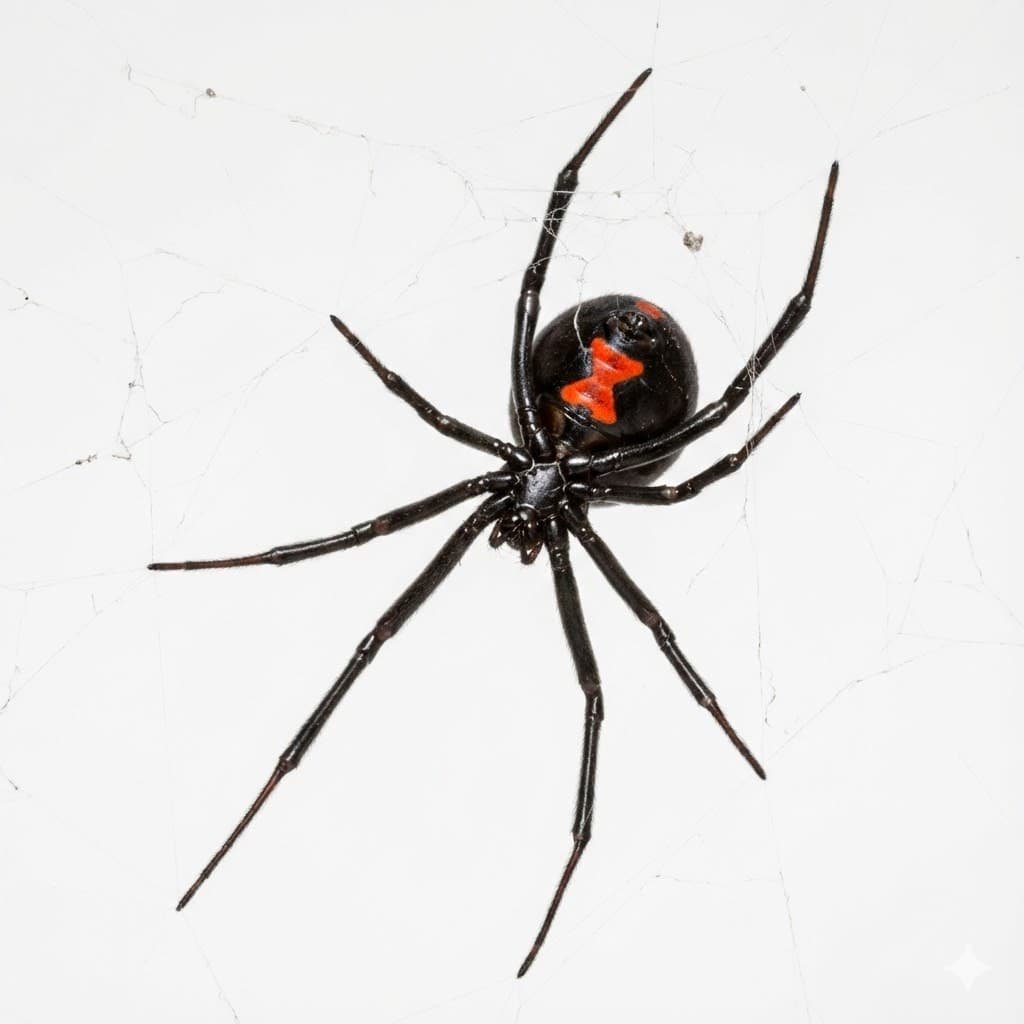
A Black Widow is a venomous spider identified by its shiny black body and the iconic red hourglass marking on the underside of its abdomen.
- Signs & Habitat: Black Widows build messy, irregular webs in dark, undisturbed areas like garages, sheds, woodpiles, and crawl spaces.
- Risk Level: A bite from a female Black Widow is neurotoxic and requires immediate medical attention. Symptoms include severe pain, muscle cramps, and nausea.
- Treatment & Removal: Due to the danger, professional removal is strongly recommended. Treatment involves locating and removing the spiders and their egg sacs, followed by applying a residual pesticide to prevent their return. See details on our Spider Control Services.
4. Subterranean Termites
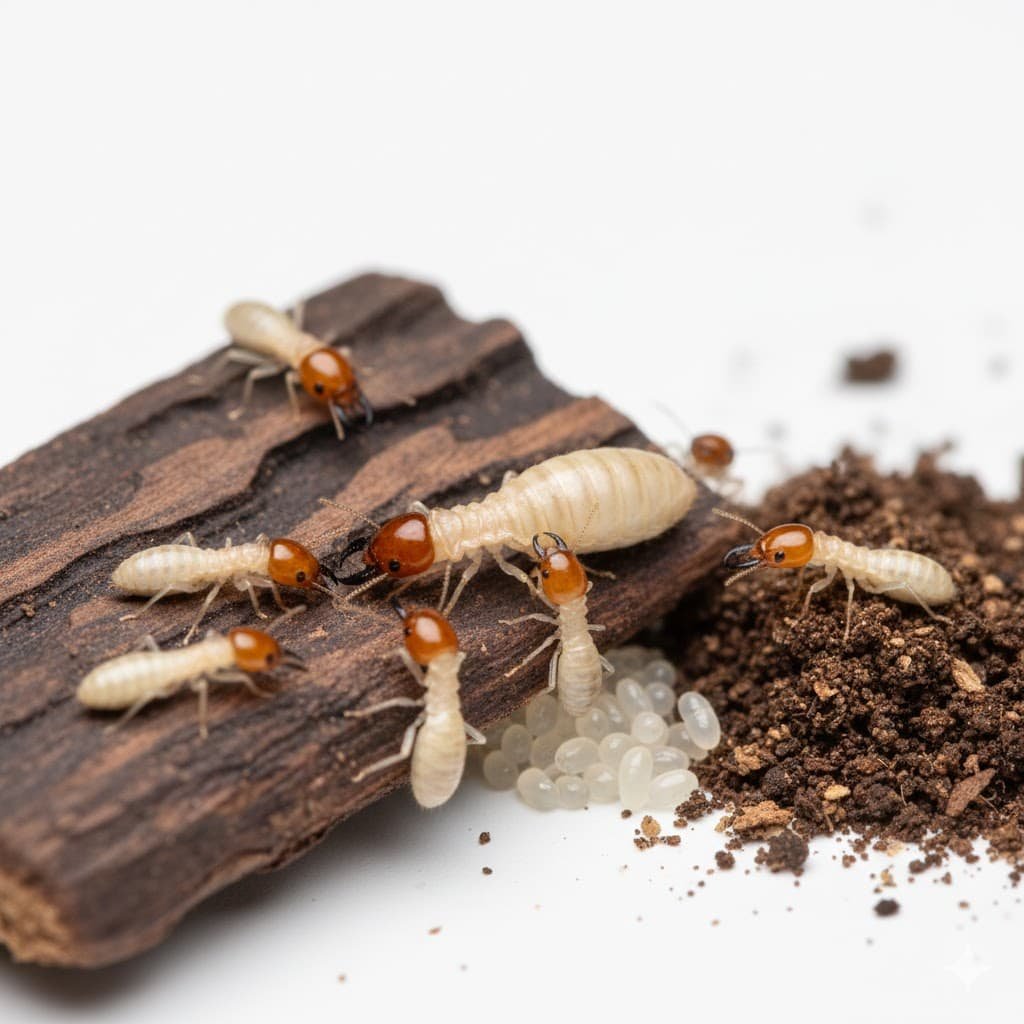
Subterranean Termites are small, cream-colored insects that live in underground colonies and cause significant structural damage to homes.
- Signs & Habitat: The primary sign of subterranean termites is the presence of pencil-sized mud tubes on foundation walls, support piers, or floor joists. Other signs include hollow-sounding wood and discarded wings.
- Risk Level: Termites cause billions of dollars in property damage annually in the United States. An undetected colony can compromise the structural integrity of a home.
- Treatment & Removal: Professional termite control is essential. Methods include creating a liquid barrier around the foundation with products like Termidor® or installing baiting systems like Sentricon® to eliminate the entire colony. Explore our Termite Extermination Services.
Checkout our article about common termites in Tucson.
5. Pack Rat
A Pack Rat, or White-Throated Woodrat, is a rodent known for building large nests (middens) out of debris and for stealing small, shiny objects.
- Signs & Habitat: Pack Rats nest in attics, wall voids, and car engines. Signs include scratching noises, droppings, and nests made of twigs, insulation, and debris.
- Risk Level: They chew through electrical wiring, creating a fire hazard, and can transmit diseases through their droppings.
- Treatment & Removal: Effective removal involves trapping the rats and sealing all potential entry points into the home to prevent re-entry. Learn about our Rodent & Wildlife Removal Services.

6. Ant Pests
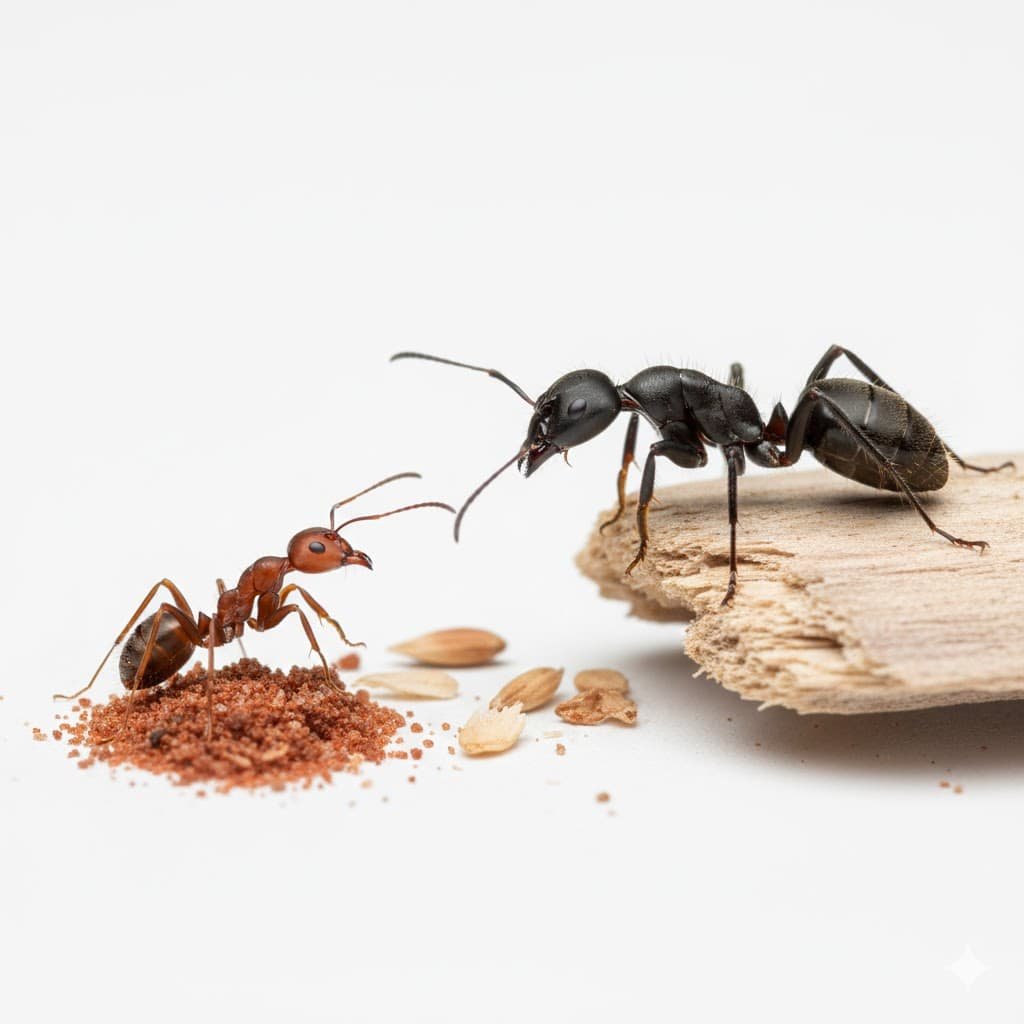
The most common ant pests in Tucson are Fire Ants and Carpenter Ants, each posing different threats.
- Signs & Habitat: Fire Ants create visible mounds in lawns and can enter homes through cracks. Carpenter Ants excavate wood to build nests, leaving behind small piles of sawdust-like frass.
- Risk Level: Fire Ants deliver painful, stinging bites. Carpenter Ants can cause structural damage by tunneling through wooden beams and supports.
- Treatment & Removal: Treatment methods are species-specific. Professionals use targeted baits and non-repellent insecticides to ensure the poison is carried back to the queen, destroying the entire colony. View our Ant Extermination Services.
7. Bed Bugs
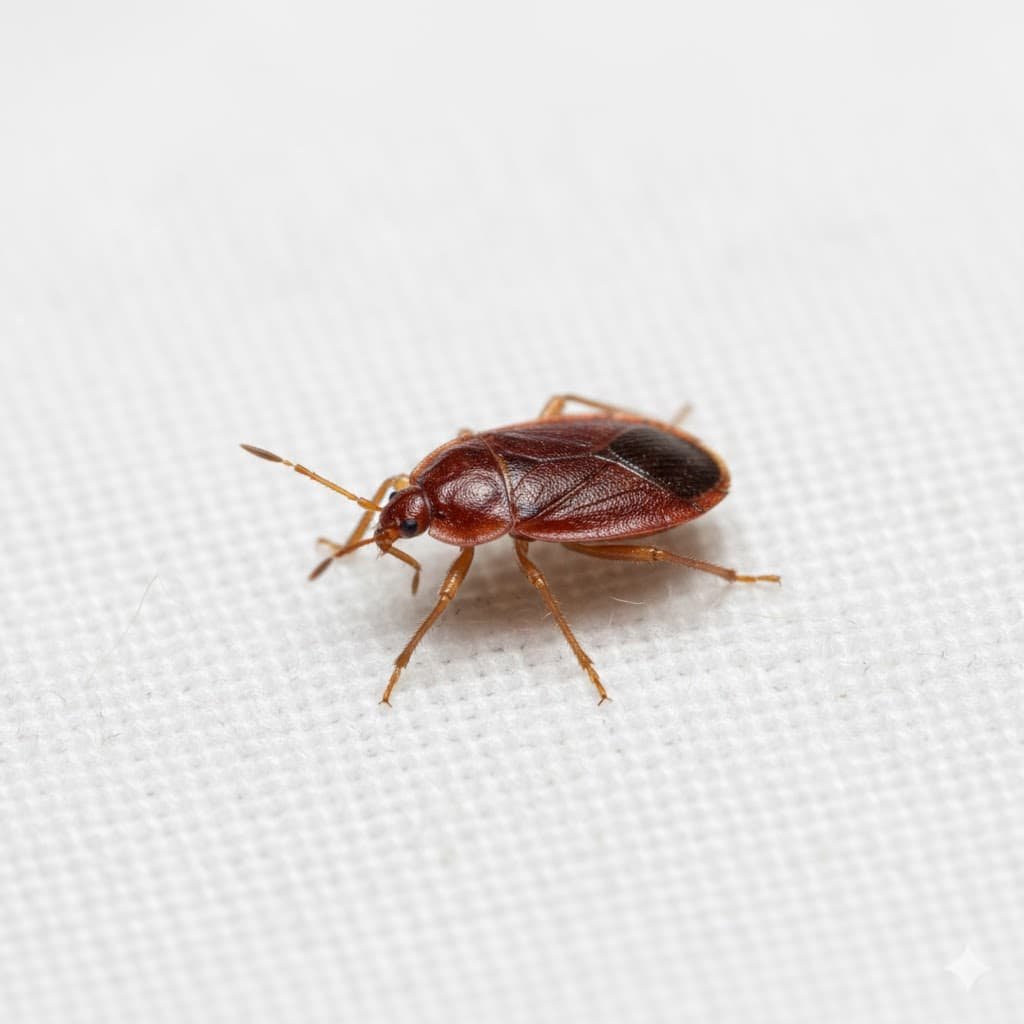
Bed Bugs are small, flat, reddish-brown insects that feed on blood and are typically found in and around sleeping areas.
- Signs & Habitat: Signs include small, itchy red bites on the skin, tiny blood spots on sheets, and dark fecal spots on mattresses and furniture.
- Risk Level: While not known to transmit disease, bed bug bites can cause significant skin irritation and psychological distress. Infestations are notoriously difficult to eliminate.
- Treatment & Removal: Professional treatment is the only effective method. This typically involves high-heat thermal remediation or the application of specialized insecticides to all cracks and crevices where bed bugs hide. Inquire about our Bed Bug Treatment Services.
8. Silverfish
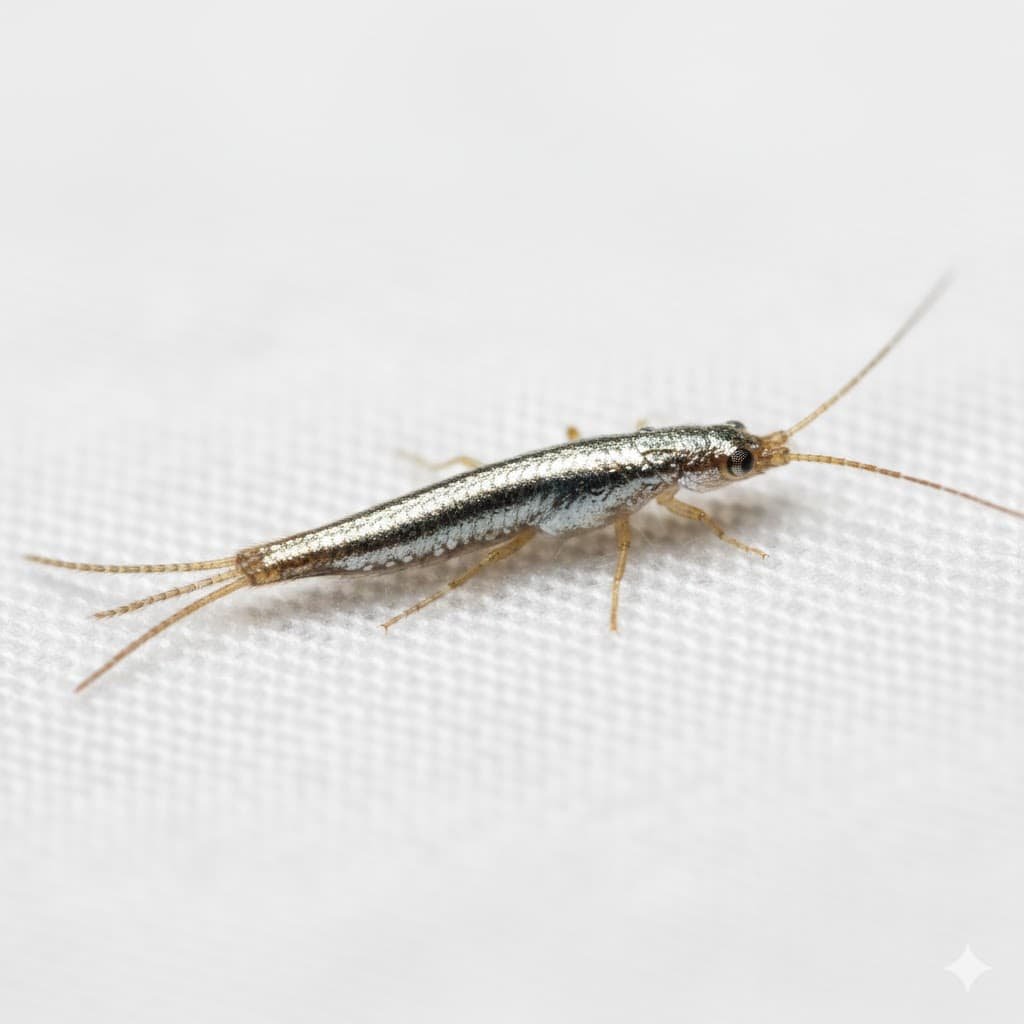
Silverfish are small, wingless, silver-colored insects with a distinctive teardrop shape and three tail-like appendages.
- Signs & Habitat: They thrive in high-humidity areas like bathrooms, attics, and basements. Silverfish feed on starches and sugars found in paper, glue, and fabrics.
- Risk Level: Silverfish pose no direct health risk to humans but can cause damage to books, wallpaper, and clothing.
- Treatment & Removal: Control involves reducing humidity and applying professional-grade insecticidal dusts and sprays to the areas where they live and breed. See our Silverfish Extermination Services.
Why is Professional Pest Treatment Necessary?
Professional pest treatment is necessary because it targets the source of the infestation, not just the visible pests. Over-the-counter sprays often fail to eliminate the nest, colony, or queen, allowing the population to recover and return. Certified technicians have access to more effective, longer-lasting products and are trained to apply them safely in accordance with EPA guidelines. A professional plan focuses on long-term prevention, not just a temporary fix.
What is the Best Way to a Bug-Free Home in Tucson?
The best way to a bug-free home is through a customized, professional pest management plan. At Tucson Pest Pros, we diagnose the specific pest issue, treat it at the source, and implement protective measures to prevent future infestations. Our local, certified technicians understand Tucson’s unique pest pressures and create a plan tailored to your property.
Take the first step today. Schedule a FREE, No-Obligation Pest Inspection with one of our experts.
Contact: Pest Control Tucson
Call Now: +1 (520) 462-6999
Tucson Pest Control FAQs
What is the most common pest problem in Tucson homes?
The most common pest problems in Tucson homes are scorpions and termites, due to the region’s arid climate and soil conditions.
How often should a home be treated for pests in Tucson?
For general prevention, a home in Tucson should be treated quarterly (every 3 months) to maintain a protective barrier against common pests.
Are professional pest treatments safe for children and pets?
Yes, professional pest treatments are safe when applied by a certified technician. We use EPA-approved products and application methods to target pests while keeping your family and pets safe.
How can you tell the difference between termites and ants?
You can tell the difference by their bodies and wings. Termites have straight antennae, a broad waist, and wings of equal size. Ants have bent antennae, a pinched waist, and front wings that are larger than their back wings.